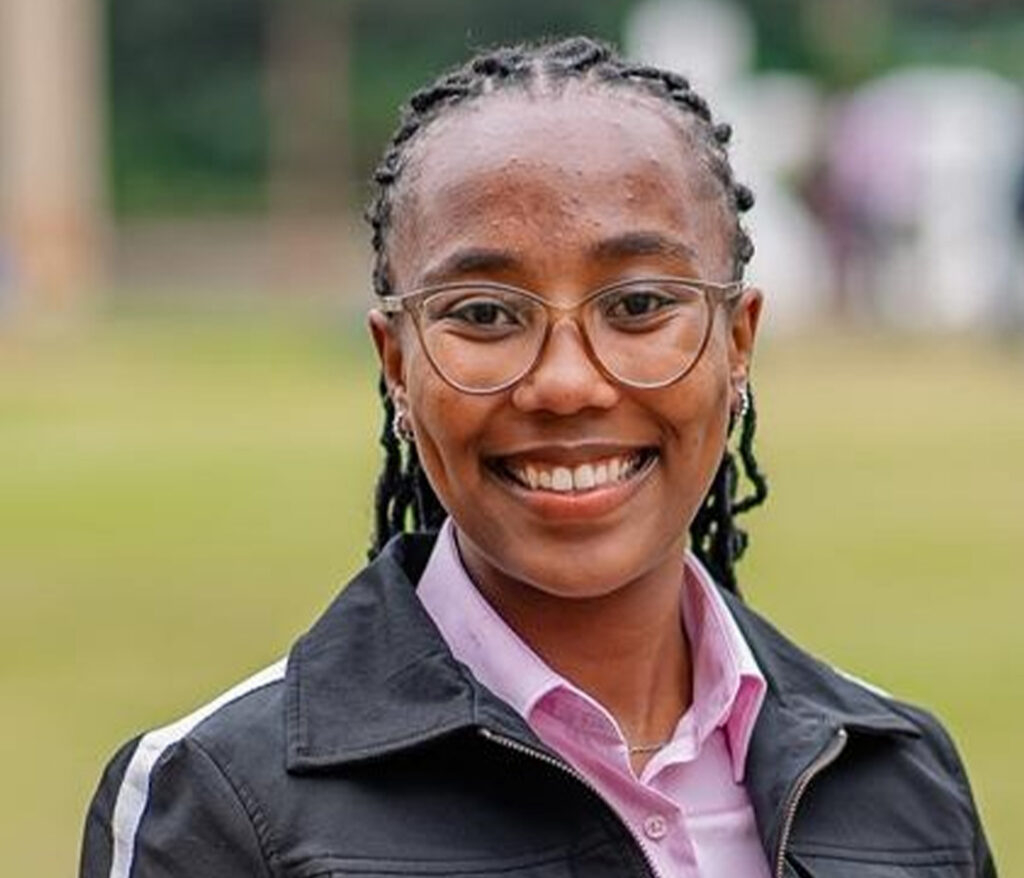
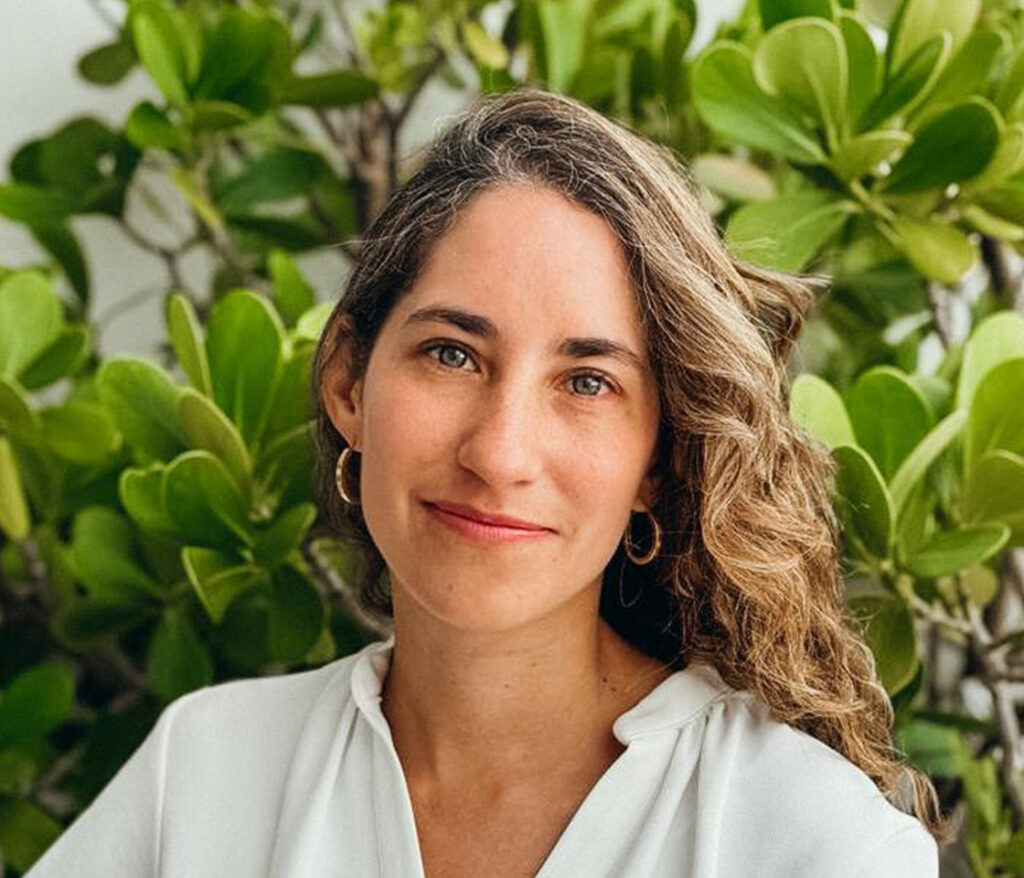
The inaugural Keseb Democracy Innovation Lab is a cohort of 10 Democracy Innovators from 10 countries across Africa, Europe, North America, and South America.
Selected from more than 800 applicants from 100+ countries, the Innovators bring a diversity of expertise from the arts, academia, faith institutions, journalism, politics, technology, and more. Through their individual projects as well as as a cohort, they are focused on addressing the question: How do we reimagine community-building for inclusive and resilient democracies?
Democracy 2050 asks which public decisions citizens could reasonably make themselves, directly, and which still require elected representatives. The project explores and prototypes technology-enabled models for participation beyond traditional representative democracy, developing a policy framework that defines where each kind of decision belongs, alongside an early-stage tool to test how those systems could function in practice, including their design, boundaries, and safeguards.
Rachel Gita Karp
Unstoppable Voters
United States
Unstoppable Voters is an innovation lab dedicated to building vibrant democracy through strategic creativity. The project trains pro-democracy organizations and individuals to use artistic activism as a core part of how they campaign, helping their work break through and widen who it reaches, delivering campaign wins while opening more ways for people to see themselves in democratic life.
Gabriel Karsan
Mambo! Demokrasia
Tanzania
Mambo! Demokrasia is a resilient, community-owned tech stack and three-tiered democratic infrastructure. It replaces fragile apps with decentralized forums that live on people’s own devices, anti-shutdown connectivity that lets phones reach each other when the internet is cut, and real-world community links hosted in schools. This empowers Africa’s digital natives, transforming them from passive recipients into active, autonomous stakeholders of a bottom-up democracy.
Gionathan Lo Mascolo
Faith-Rooted Organizing Accelerator
Austria
The Faith-Rooted Organizing Accelerator works in Austria, a key site of far-right normalization in Europe, transforming existing religious and civic spaces into infrastructures for democratic belonging. The accelerator brings clergy, lay leaders, and secular civic actors into the same room, enabling them to collaborate across divides and develop locally rooted leadership that strengthens inclusive, resilient communities.
Mark Matovu Ssebijwenge
Nampya Community Cohesion Lab
Uganda
The Nampya Community Cohesion Lab brings people together across differences to address shared food-system and climate challenges. Through shared Nature Intelligence, community dialogue, and Nampya’s solar-powered agri-food hubs, the Lab creates spaces where farmers, food vendors, transporters, youth, and technical experts can exchange knowledge, question assumptions, and make decisions together. By valuing each participant’s experience and voice, regardless of economic or social position, the Lab explores how cooperation around shared challenges can strengthen cross-group belonging and contribute to more inclusive, resilient democracies.
Sharly Moraa
Uwezo kwa Youth
Kenya
Uwezo kwa Youth builds the civic infrastructure that Kenya’s youth movements need to sustain momentum beyond a protest moment. The project sets up Civic Labs across all 47 counties, paired with an SMS platform that compresses lengthy legislative bills into short, plain-language messages young people can access without smartphones or reliable data. By bridging the gap between digital power and political access, it turns the fleeting energy of protests into sustainable civic agency so that civic power is in motion by the young people who started it.
Larysa Nazarenko
Scanarix Media Game
Ukraine
Scanarix is a multilingual media, information, and AI literacy game that builds learning communities through shared play and co-creation. Players make choices inside a simulated media environment, deliberate those choices together, and watch how they play out. The scenarios are built for different cultural and linguistic contexts, so the same method works wherever it is played. Across different pathways, Scanarix progressively enables players to become co-creators, forging intercultural communities resilient to manipulation. Resilience built by communities becomes civic infrastructure: it activates thinking and participation, and in doing so it activates democracy itself.
Taiye Ojo
#FixElectionYouthAssembly 2.0
Nigeria
The #FixElectionYouthAssembly 2.0 fuses legislative theatre with participatory policy design, enabling marginalized young people to co-create electoral reform proposals with policymakers. Young people perform their real experiences with elections on stage and the audience intervenes to rewrite the scene. An assembly then works those rewrites into concrete policy proposals, which go directly to lawmakers. The model moves from symbolic consultation to structural co-creation, rebuilding trust, inclusion, and shared ownership in democratic processes.
Dorinda So
The Studio
Canada
The Studio reimagines community-building by embedding democratic practice into economic collaboration, bringing competing businesses within a single sector into shared governance where every participant has one vote regardless of company size. It enables diverse actors to co-govern, share power, and build trust through collective action, strengthening inclusive and resilient democracies by making participation in economic life a lived experience of democracy.
Alejandra Ucrós
Pluriverse: Democracy Narrative Hub
Colombia
Pluriverse is a permanent narrative hub that builds democratic resilience in Colombia by testing, producing, and distributing hope-based stories through a living ecosystem of civil society coalitions, activist networks, and community voices. Those stories travel through cultural messengers like comedians, artists, and journalists, shaping how people imagine democracy and what they believe is possible together.